
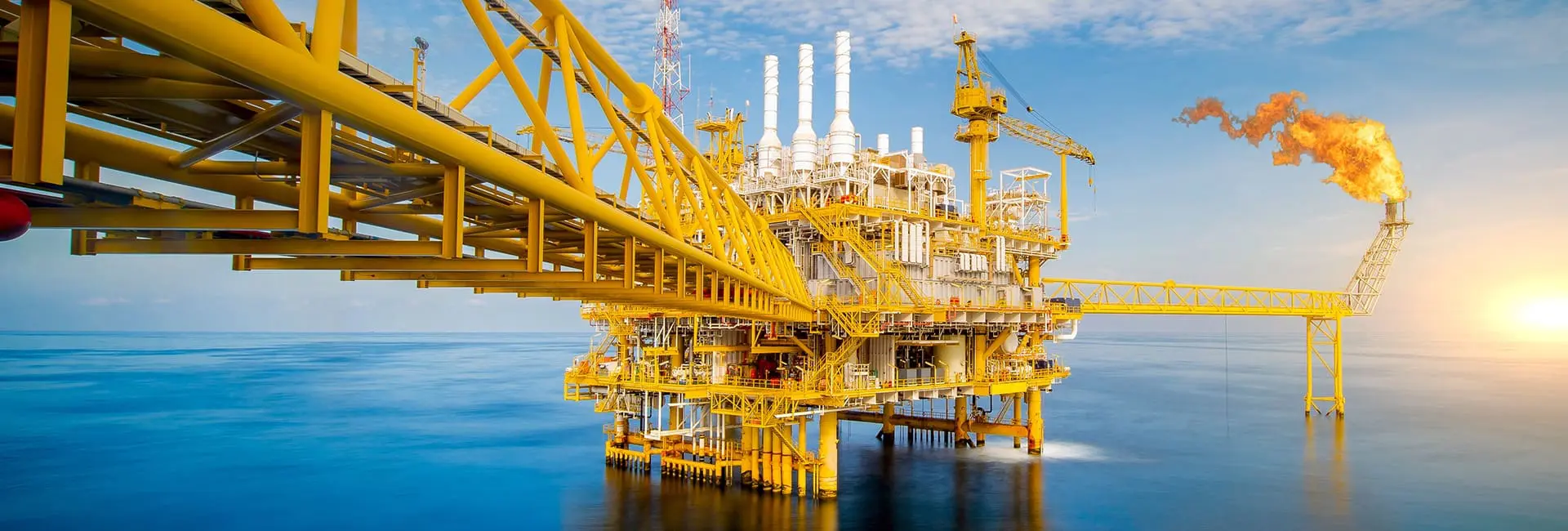
From sprawling pipelines to offshore platforms, the energy sector operates around the clock under constant threat. Theft, sabotage, cyber-attacks, and equipment failure can strike without warning. Protecting these valuable assets demands sharp planning, layered defenses, and nonstop vigilance.
Let’s go through the key strategies behind effective oil and gas security.
Physical barriers and fences:
Heavy fences and strong walls keep unauthorized people away from sensitive areas. These barriers act as the first line of defense against intruders. Guards watch the gates to ensure only workers enter the site. Good lighting helps the team see everything clearly during the night. Strong locks and gates stop people from entering places where they could get hurt or cause damage to the expensive machinery.
Constant video watching:
Cameras watch every corner of the facility to catch any odd movement. Modern screens show live views to security teams who stay alert at all times. If something looks wrong, the team can act fast to check the area. These eyes in the sky help record everything that happens on the property. Keeping a record of daily events helps the crew learn how to make the site even safer for the future.
Checking worker access:
Every person on the site carries a special card to open doors and gates. This system ensures that only trained people go near dangerous or valuable gear. The computer logs who enters and leaves every room during the day. Limiting who can touch the controls keeps the whole system stable and prevents accidents caused by mistakes.
Using air scouts:
Small flying devices check pipes and tanks from high above the ground. These tools can reach spots that are hard for humans to climb. They look for leaks or broken parts that might cause a fire or a spill. By seeing the site from the air, the team finds problems early. This quick look saves time and prevents small issues from growing into big troubles that cost a lot to fix.
Protecting digital systems:
Computers run the pumps and valves that move the fuel through the pipes. Special software stops hackers from taking control of these machines from far away. The team updates the programs frequently to keep the defenses strong against new threats. Keeping the network safe is just as important as locking the front gate. Safe data ensures that the flow of energy never stops because of a glitch or an attack.